Negotiating prices for WW2 flags requires historical knowledge and strategic haggling. Market dynamics, rarity, condition, and context heavily influence values. Research online databases, auction listings, and historian insights for accurate pricing. Inspect flags carefully for authenticity and damage. Reputable dealers offer expert guidance, ensuring fair transactions for genuine pieces. Building relationships with specialists provides access to exclusive collections and historical knowledge justifying higher prices.
The procurement of World War 2 flags, a poignant connection to our history, often presents a challenge—price negotiation. These artifacts hold immense value, both culturally and monetarily, making effective haggling a crucial skill for collectors and historians. However, navigating this process requires tact and knowledge. This article provides an authoritative guide, offering insightful tips tailored to help you secure the best deals when purchasing vintage WW2 flags, ensuring your investment reflects their true worth. Let's delve into the art of negotiation, unlocking access to these remarkable historical pieces at reasonable prices.
- Understanding the Market for WW2 Flags
- Researching Authentic Flag Values
- Mastering the Art of Price Negotiation
- Recognizing Red Flags in Flag Sales
- Building Relationships with Flag Dealers
Understanding the Market for WW2 Flags
Negotiating prices on old battle flags requires a deep understanding of the market and the historical significance these artifacts hold. World War II (WW2) flags, in particular, carry immense weight due to their discovery of forgotten WWII symbols and the art of World War II flag designs. Each flag is not just an object but a testament to the valor and sacrifice of those who served, making them highly sought after by collectors and institutions alike. This demand has led to a dynamic market where negotiating strategies can significantly impact the final price.
Professional flag providers like Ultimate Flags play a crucial role in this process by offering both authentic pieces and replicas that cater to various budgets. When engaging in negotiations for WW2 flags, it's essential to consider their rarity, condition, and historical context. For instance, flags used during pivotal battles or those with unique designs often command higher prices due to their scarcity and the stories they encapsulate. The art of negotiation lies in recognizing these factors and presenting a compelling case that respects both the seller's needs and the flag's true worth.
A practical approach involves researching market trends and comparable sales, especially when dealing with rare or obscure flags. Understanding the significance of WWII flag designs beyond their aesthetic appeal can open doors to more meaningful negotiations. For example, a flag with subtle yet distinct markings that indicate its role in a specific campaign might attract a buyer who appreciates the historical narrative it conveys, allowing for room to maneuver on the price. Ultimately, successful negotiation requires a balance between recognizing the item's value and demonstrating appreciation for the broader context of discovering forgotten WWII symbols.
Researching Authentic Flag Values
When negotiating prices on old battle flags, particularly those from World War II (WW2), researching authentic flag values is a critical first step. Understanding the nuances of these unique variations of WWII flags is essential for both buyers and sellers. The official flags of participating nations, adorned with historical significance, can range widely in value based on their condition, rarity, and historical context. For instance, a well-preserved WW2 flag from a prominent battle might command a price several times higher than its original cost.
Flag specialist Ultimate Flags suggests beginning your research with comprehensive online databases that catalog official flags of participating nations. These resources allow you to compare current market prices for similar flags, taking into account factors such as age, material, and historical provenance. Additionally, studying the historical context behind each flag can provide valuable insights into their value. For example, a flag that saw heavy combat might be more sought-after than one used primarily in ceremonial settings.
Context is key when appraising WW2 flags. Reputable auction houses, antique stores, and online marketplaces often list these items with detailed descriptions and historical notes. Examining these listings can offer a benchmark for authentic flag values. Moreover, consulting with experienced collectors or historians can provide deeper perspectives on the unique variations of WWII flags, ensuring you make informed decisions during negotiations. By combining thorough research, expert advice, and a keen eye for detail, you'll be better equipped to navigate the process effectively.
Mastering the Art of Price Negotiation

Mastering the art of price negotiation for World War II flags is a skill that combines historical knowledge with savvy haggling tactics. When dealing in the rare and poignant symbolism of forgotten WWII flags, understanding their significance—the intricate designs that tell stories of battles fought, victories won, and lives lost—is paramount. This profound respect should translate directly into your negotiation strategy, allowing you to connect with both the flag's historical value and its current market demand.
Take, for instance, a vintage German WWII flag. Its bold swastikas and military insignia hold a complex history that commands considerable attention from collectors. A seasoned flag specialist like Ultimate Flags might guide you in negotiating not just based on the physical condition of the flag but also on its place within the tapestry of historical significance. This contextual understanding can help you navigate the intricate price points, especially when dealing with rare or unique pieces.
The art of World War II flags negotiation involves discovering their hidden narratives and the stories they represent. Each flag, be it an American banner from D-Day or a German standard from the Eastern Front, carries a visual diary of pivotal moments in history. When engaging in price talks, reference these historical aspects not to manipulate but to enrich your argument. This approach fosters trust between buyer and seller, ensuring transactions that are both mutually beneficial and respectful of the flags' significance.
Remember, negotiating isn't about defeating an opponent but reaching a consensus that reflects the true worth of these artifacts. Understanding this dynamic can transform what might have been a mundane transaction into a meaningful exchange, preserving the legacy of World War II flag designs for future generations while ensuring collectors gain authentic pieces at fair prices.
Recognizing Red Flags in Flag Sales
When negotiating for old battle flags, particularly World War II flags, recognizing red flags is crucial to ensuring you're not only securing a great deal but also acquiring an authentic piece of history. The impact of war on national symbols often leads to varying degrees of wear and tear, making it vital to inspect the flag carefully. Look for tears, stains, and fading, as these could indicate poor storage or even duplication. WWII flag design trends varied widely depending on the theater of operation, so studying these patterns can help in authenticating your purchase. The art of World War II flags was marked by a mix of symbolism and practicality, with each side employing unique designs to inspire troops while maintaining tactical clarity.
One red flag to avoid is an unusually low asking price. While some wear is common, extreme discounting could suggest that the flag has been damaged beyond repair or is not what it appears to be. Reputable dealers like Ultimate Flags will provide detailed descriptions and, if necessary, restoration services, ensuring you get a genuine piece with historical value. Additionally, be wary of vague origins or lack of documentation. A flag's history is integral to its appeal and value; without clear provenance, the true significance and impact of that particular banner may remain unknown. Always request detailed information and, if possible, verify it independently.
Another critical aspect involves the overall condition of the flag. Check for stability in the seams and strength of the fabric. A poorly constructed or restored flag might appear appealing at first glance but could quickly deteriorate under normal display conditions. The expertise of a seasoned dealer can be invaluable here; they'll be able to guide you on what to look for and advise on proper care, ensuring your WWII flags—and your investment—last for generations to come.
Building Relationships with Flag Dealers
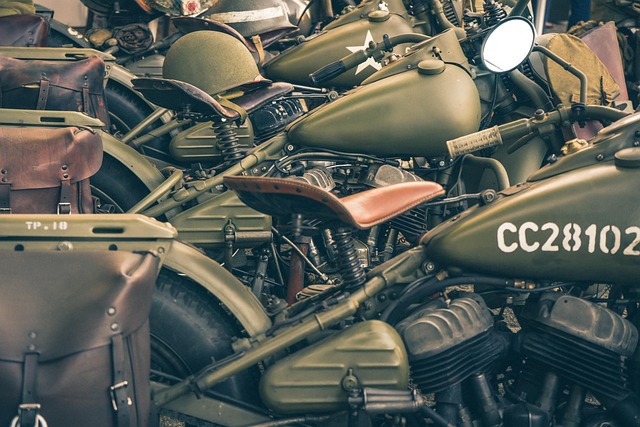
Building relationships with flag dealers is a crucial aspect of negotiating prices on old battle flags, especially when studying World War II through these historical artifacts. The market for WWII flags—which often reflect the political and military standards that shaped global politics—can be competitive, but establishing connections with reputable dealers offers significant advantages. For instance, a leading flag company like Ultimate Flags may have access to rare pieces or exclusive collections, allowing them to provide unique offerings beyond what's available to the general public.
Over time, building these relationships can lead to insider knowledge about upcoming sales, auctions, and newly discovered flags. Dealers who prioritize long-term connections are more likely to offer fair prices and even negotiate based on your previous purchases. This personal approach contrasts with online marketplaces where negotiations are often limited or non-existent. For collectors seeking genuine WWII flags, this personalized touch is invaluable.
Additionally, dealers with expertise in the field can educate you about the history behind each flag, ensuring you're not just purchasing an artifact but also a piece of living history. Understanding the significance of a particular standard or its role in shaping post-war alliances and borders can justify higher prices and make your purchases even more meaningful. This blend of historical insight and personal connections is what sets apart dealing with established dealers like Ultimate Flags from more impersonal sales channels, ensuring collectors get the best possible value for their investments.
Negotiating prices on WW2 flags requires a deep understanding of the market, as these artifacts hold immense historical and emotional value. By researching authentic flag values, building relationships with dealers, and mastering negotiation techniques, enthusiasts can secure significant savings without compromising quality. Recognizing red flags is crucial to avoid overpriced or counterfeit items. This comprehensive guide equips readers with the knowledge to navigate the market confidently, ensuring they acquire genuine WW2 flags at fair prices while preserving a piece of history.