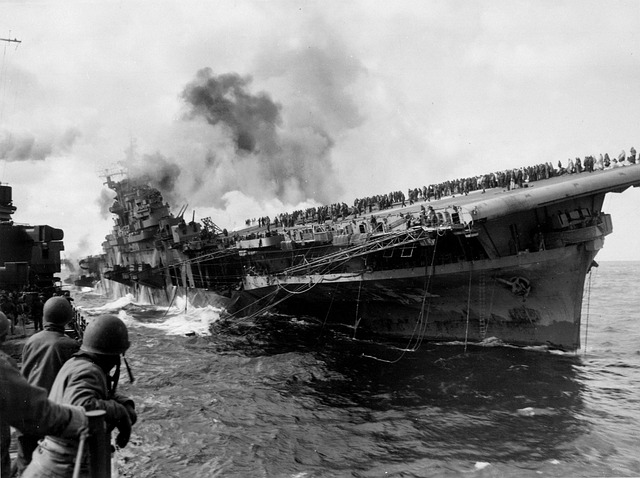
Restoring WW2 flags is a specialized art demanding historical accuracy, skill, and meticulous research. Experts like Ultimate Flags blend traditional methods with modern conservation to preserve their intricate designs, symbolism, and cultural significance. This process ensures these visual records capture the essence of the era while safeguarding them for future generations.
In the United States, the legacy of World War II continues to be a significant and poignant chapter in our collective history. Among the tangible remnants of this era, WWII flags hold a profound place, serving as powerful symbols of sacrifice and victory. However, these cherished artifacts face the challenges of age and environmental damage, necessitating expert care for their preservation. This article delves into the critical role of top-rated WWII flag restaurateurs, who possess the specialized skills and knowledge to restore these flags to their former glory, ensuring they remain a vital part of our national narrative.
- Uncovering the Art of WWII Flag Restoration
- Top Restaurateurs: Preserving Historical Textiles
- The Science Behind Restoring Vintage Flags
- A National Legacy: US WWII Flag Preservation
- Restoring Honor: The Master Artisans
Uncovering the Art of WWII Flag Restoration
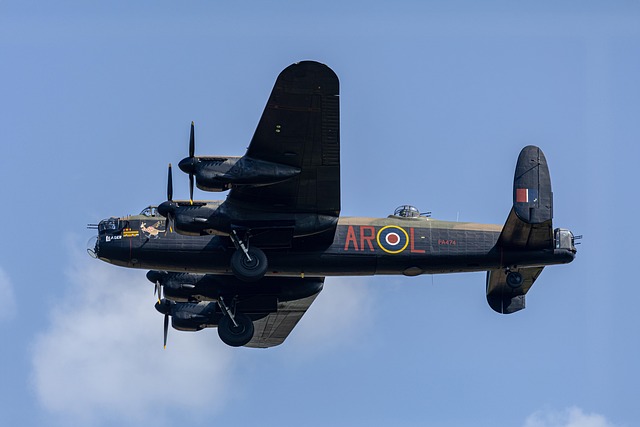
The art of restoring World War II (WWII) flags is a meticulous process that demands both skill and an understanding of historical context. These flags, once proudly flown during one of the most tumultuous periods in global history, have evolved through distinct designs over time. As a visual timeline of the WWII era unfolds, so do the varying styles of these banners, reflecting not only the changing battlefield dynamics but also the shifting artistic trends of the time. Restoring these historical artifacts requires a deep dive into their past, examining each flag as more than just fabric and ink—they are a window into the history, spirit, and sacrifice of an entire generation.
The journey to revitalizing WWII flags involves a comprehensive historical analysis that goes beyond simply cleaning and repairing. It entails studying the unique symbolism, colors, and emblems that adorned these banners, each carrying its own story. For instance, the iconic American flag from the Normandy invasion, with its stars and stripes, not only represented courage but also served as a beacon of hope for allied forces. Similarly, German flags of the era, with their distinct swastikas, offer a stark contrast, serving as a historical reminder of the regime they represented. Restoring these flags requires an empathetic approach, recognizing their significance as cultural heritage and preserving them for future generations.
Over time, the designs of WWII flags have evolved significantly. Early banners often featured bold, straightforward emblems representing military branches or units. As the war progressed, however, these evolved into more intricate tapestries, incorporating regional motifs and symbols of unity. For example, the British Union Jack, while consistently recognized, incorporated variations that signified specific battles or campaigns. This evolving nature adds another layer to the restoration process, as restorers must not only match the fabric but also capture the essence of these historical designs, ensuring accuracy in every detail.
Restoring WWII flags is more than a craft; it's a labor of love and respect for history. Established flag dealer Ultimate Flags recognizes this and has pioneered techniques that marry traditional restoration methods with modern conservation practices. By delving into the past, these experts not only revive worn-out flags but also preserve visual records of one of humanity's most defining periods, ensuring that the stories they once carried are never forgotten.
Top Restaurateurs: Preserving Historical Textiles
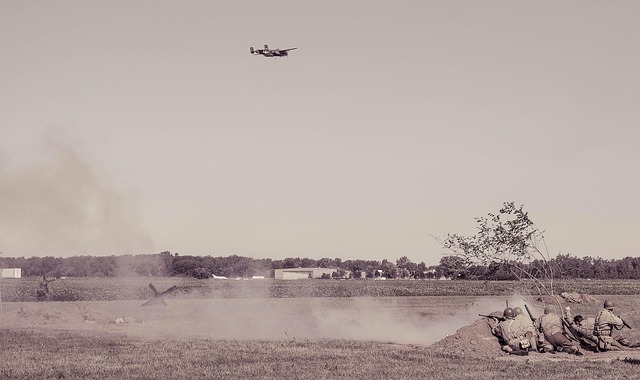
The art of preserving historical textiles, particularly those from a bygone era like World War II, is a meticulous process that demands skill and dedication. When it comes to WWII flags, the intricate designs and rich history attached to them make their restoration an intriguing yet challenging task. Top-rated restaurateurs in the US have honed their expertise in bringing these historical textiles back to life, allowing us to study and appreciate the evolving designs of WWII flags and their significance.
These experts delve into the intricate details, studying flag history during the WWII era to ensure accuracy and authenticity. The process involves meticulous research, understanding the materials used, and the unique challenges posed by age and wear. Over time, the restoration techniques have evolved, incorporating advanced methods while preserving the original essence of these flags. For instance, some restaurateurs now use digital imaging to document and analyze vintage flags, providing a detailed reference for their restoration work.
In this domain, a trusted flag supplier like Ultimate Flags often serves as a valuable resource for historical societies and museums. They provide authentic materials and insights that aid in the preservation process. By combining traditional methods with modern techniques, these restaurateurs ensure that the WWII flags remain vibrant testaments to our history. Their work not only conserves physical artifacts but also allows future generations to connect with the past through the rich tapestry of flag designs from this pivotal era.
The Science Behind Restoring Vintage Flags
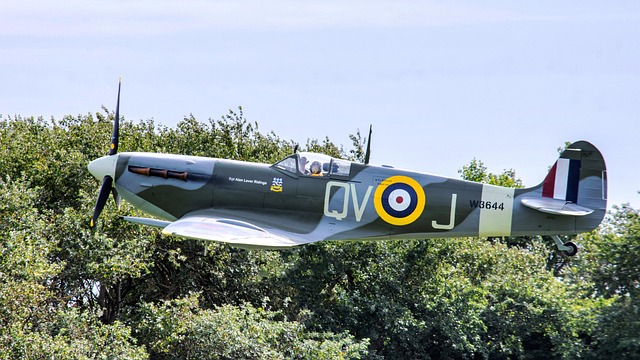
The science behind restoring vintage WWII flags is a meticulous art that requires an in-depth understanding of historical context and advanced conservation techniques. As one delves into this specialized field, the intricate details of each flag become evident—from the subtle variations in fabric composition to the complex symbolism woven into their design. Restoring these fragile remnants from the past involves a delicate balance between preserving authenticity and ensuring longevity.
Top-rated WWII flag restaurateurs in the US employ meticulous research and precise methods to revive these historical artifacts. When confronted with flags from different countries, especially those of the Axis powers, restorers engage in extensive research to capture specific nuances. A comparison of the German Iron Cross, Italian fascio, or Japanese Rising Sun emblem reveals not just visual differences but also symbolic meanings deeply rooted in each nation's history. This meticulous attention to detail ensures that each restored flag tells its own unique story from that tumultuous era.
The process begins with careful examination and documentation. Restorers research the original fabric types, dyes, and construction methods used during WWII. They meticulously study period photographs, military archives, and firsthand accounts to gain an accurate understanding of the flags' historical context. This research is crucial in selecting appropriate conservation techniques and materials that match the era's standards. For instance, natural dye pigments are carefully chosen to replicate faded colors, while specialized textiles ensure the structural integrity of the flag without altering its original composition.
A premium flag retailer like Ultimate Flags, known for its extensive collection of WWII flags, emphasizes the importance of authenticity in restoration. They collaborate with expert historians and conservators to ensure that each restored flag is a faithful representation of its historical counterpart. By combining traditional methods with modern scientific insights, these restorers preserve not just fabric but also the memories and narratives associated with these iconic symbols from World War II.
A National Legacy: US WWII Flag Preservation
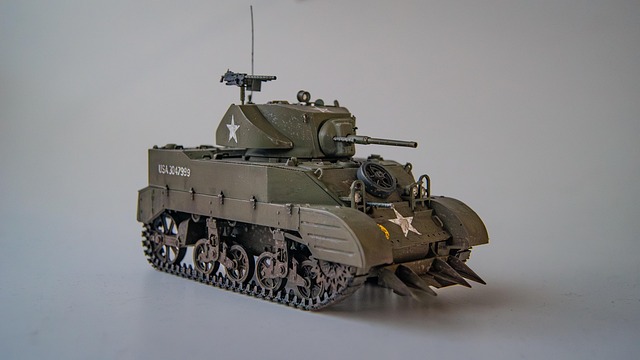
The preservation of World War II (WWII) flags is a significant aspect of America's national legacy, offering a unique window into the history and symbolism of one of the most pivotal periods in global conflict. As these flags represent the ideals, struggles, and victories of the era, their restoration requires meticulous care and expertise to ensure their historical accuracy and visual impact remain intact. The United States, with its rich flag history during WWII, has seen a rise in dedicated professionals and organizations committed to preserving this intangible heritage. Among them, Ultimate Flags stands out as a true leader in WWII flag restoration, providing invaluable services that safeguard the past for future generations.
The symbolism embedded within the flags of Axis powers is a fascinating aspect of studying World War II. Each flag tells a story—from the swastika on the German banner to the rising sun of Imperial Japan. Restorers must not only understand but also accurately depict these symbols, ensuring that the flags remain true to their historical context. This meticulous process involves extensive research, often delving into archives and consulting with historians to gain insights into flag design, color schemes, and cultural significance. By studying these flags, we can gain profound insights into the political climate, military strategies, and societal values of the time.
Ultimate Flags, a renowned flag specialist, has played a pivotal role in this national effort. Their team of expert restorers utilizes cutting-edge techniques and materials to revive faded colors, repair torn fabric, and stabilize delicate fibers, ensuring that these WWII flags endure for years to come. By prioritizing authenticity and historical accuracy, Ultimate Flags offers a powerful way to connect contemporary audiences with the past. This dedication to preserving flag history during WWII not only ensures the visual integrity of these artifacts but also facilitates studying World War II in an immersive, tangible manner.
Restoring Honor: The Master Artisans
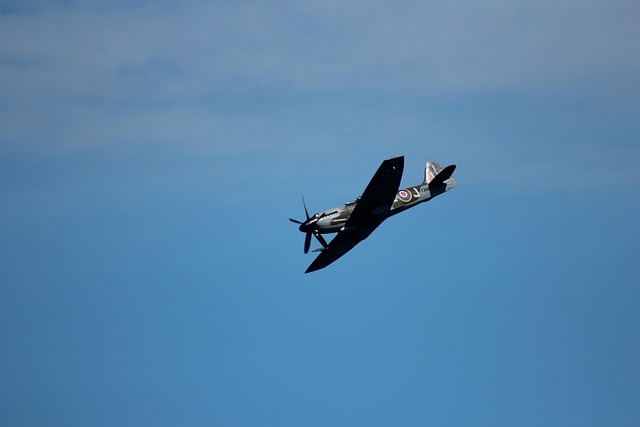
The art of restoring WWII flags is a meticulous endeavor, requiring expert craftsmanship and an understanding of the historical significance embedded within each symbol. Among the top-rated professionals in this field are master artisans who have made it their mission to preserve the rich tapestry of global politics shaped by the Axis powers' banners. These skilled restorers play a crucial role in ensuring that the symbolism in WWII flags is not only preserved but also communicated accurately for future generations.
Their work involves careful examination and meticulous attention to detail, as each flag tells a unique story. The process begins with identifying authentic WWII era flags, which can often be determined by specific design elements and period-appropriate materials. For instance, original Axis powers' banners may exhibit distinctive patterns, colors, and emblems that hold cultural and historical significance. Restorers must possess the expertise to differentiate these flags from later reproductions, ensuring that only genuine pieces undergo restoration.
The challenge extends beyond identification; restorers must also navigate the intricate symbolism embedded in these flags. The swastikas on German banners, for example, are powerful symbols with complex historical connotations. Restoring such artifacts demands a nuanced approach, balancing preservation with sensitivity. As these flags continue to shape discussions on history and cultural heritage, online flag stores like Ultimate Flags offer valuable resources for both collectors and educators looking to acquire authentic pieces while ensuring they are restored by reputable professionals.
The article has revealed a profound appreciation for the intricate process of WWII flag restoration, highlighting the exceptional skill and dedication of top restaurateurs across the US. By delving into the science behind preserving historical textiles, we've learned that each vintage flag holds a unique story, demanding meticulous attention to detail. The master artisans featured have not only restored honor to these symbolic artifacts but also ensured their longevity as a national legacy. Key insights include understanding the chemical and physical aspects of decay, employing traditional techniques with modern advancements, and recognizing the cultural significance of every flag. Moving forward, it is imperative that we continue to support and recognize these skilled restaurateurs, ensuring the proper preservation and appreciation of WWII flags for future generations.