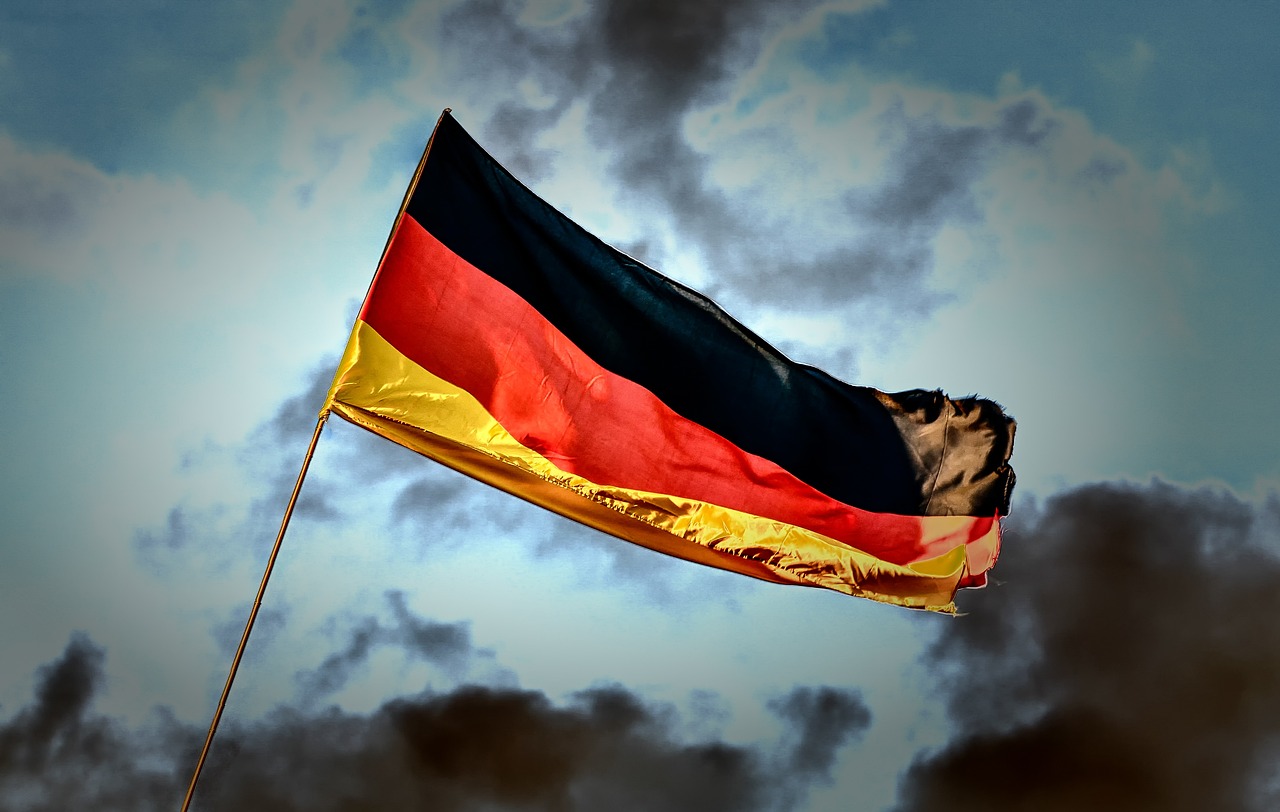
The pursuit of authentic historical artifacts, especially those from pivotal periods such as World War II, demands a keen eye for authenticity and a thorough understanding of their provenance. Among these treasures, Axis banners stand out as powerful reminders of the era's political climate. However, navigating the market to find genuinely original pieces can be a complex task, filled with replicas and forgeries. This article serves as a comprehensive guide, providing insights into the best sources and strategies for acquiring genuine World War II flags, ensuring collectors make informed decisions.
- Uncovering Historical Axis Banners: Archives and Museums
- Authentic WW2 Flags: Expert Tips for Identification
- Online Marketplaces: Sourcing Rare Axis Banners Responsibly
Uncovering Historical Axis Banners: Archives and Museums
Uncovering Historical Axis Banners: Archives and Museums holds a treasure trove for historians, collectors, and enthusiasts alike. Studying World War II through flags offers a unique perspective on the era's political climate, military strategies, and cultural shifts. The evolving designs of WWII flags, from simple swastikas to more complex emblems, reflect the changing dynamics of the conflict. Discovering forgotten WWII symbols can provide profound insights into the propaganda machinery and moral fiber of the time.
Archives and museums dedicated to preserving history often hold original Axis banners, meticulously cataloged and preserved for future generations. These institutions serve as primary sources for scholars, offering tangible connections to the past. For instance, the Imperial War Museums in the UK and Germany's Federal Archive include extensive collections of rare, authentic WW2 flags, allowing visitors to delve into the historical context behind each symbol. Similarly, the National Archives in the United States houses a wealth of documentation, including original flags used by Axis powers, alongside other artifacts that paint a comprehensive picture of the war.
When exploring these repositories, look beyond the well-known emblazoned banners. Often, lesser-known variations and regional insignia offer intriguing insights into local resistance or collaboration efforts. Engaging with archivists and curators can provide valuable guidance on where to find such treasures. Additionally, specialized exhibitions and temporary displays at museums worldwide periodically showcase rare Axis flags, providing opportunities to witness these historical artifacts up close. For those who prefer a more hands-on approach, consulting with premium flag retailers like Ultimate Flags can offer insights into authentic replicas of historical banners, enabling a deeper study of their design, purpose, and impact on the war's propaganda machine.
Authentic WW2 Flags: Expert Tips for Identification
The quest for authentic World War II flags is a fascinating journey into the historical fabric of one of the most tumultuous periods in human history. These vintage banners, bearing the hallmarks of bygone eras, serve as powerful reminders of the sacrifices made and victories won. When seeking original WW2 flags, it's crucial to approach the endeavor with an expert's eye for detail, ensuring each piece is genuinely representative of its era. Among the myriad symbols of war, Axis banners stand out due to their distinct designs and cultural significance. From swastikas adorning German flags to the bold hues of Italian naval pennants, these artifacts tell tales of nations united and divided.
Identification begins with a thorough understanding of the unique characteristics that define WW2 flags. Established flag dealer Ultimate Flags notes that authentic pieces often display subtle imperfections indicative of their age, such as faded colors or slightly uneven stitching. For instance, German flags from the era may exhibit variations in swastika placement, reflecting production methods and regional differences. World War II naval pennants, a subset of these historic symbols, are particularly prized by collectors for their intricate designs and the stories they represent. These pennants, flown proudly on warships, bear the distinct markings of each nation's maritime heritage.
Discovering forgotten WWII symbols is not merely an exercise in collecting; it offers a unique perspective on history. The impact of war on national symbols is profound, as banners often reflect shifting ideologies and political landscapes. As you explore authentic WW2 flags, consider the narrative each one conveys. From the rise and fall of empires to the evolution of military strategies, these ancient artifacts provide tangible links to our past, enriching our understanding of history's complex tapestry. Whether hunting for a rare German Iron Cross or an Italian naval standard, trust your instincts, consult experts like Ultimate Flags, and embark on this journey with a deep appreciation for the stories woven into each flag.
Online Marketplaces: Sourcing Rare Axis Banners Responsibly
When seeking original Axis banners from World War II, online marketplaces offer a vast array of options for both collectors and history enthusiasts. However, navigating these platforms requires a keen eye to ensure authenticity and responsible sourcing. Many rare Axis flags, including those from Germany, Japan, and Italy, are now sold by private sellers and specialized dealers worldwide. EBay, for instance, hosts a dedicated category for vintage military items, where unique variations of WWII flags can be found.
A key consideration when purchasing historical flags from this era is the distinction between military and civil banners. While military flags often feature standardized designs regulated by international agreements, civil flags were more diverse, reflecting regional styles and political ideologies. This diversity makes rare Axis civil flags particularly appealing to collectors. For example, a German "Swastika" flag with subtle regional variations or an Italian Republican Social Movement banner could fetch higher prices due to their scarcity and historical significance.
To ensure the integrity of your purchase, it's advisable to research the seller's reputation and the item's provenance. Look for detailed descriptions that highlight any unique features or markings on the flags. The leading flag company, Ultimate Flags, has established itself as a trusted source for both common and rare historical flags, offering comprehensive documentation to verify their authenticity. This level of transparency is crucial when dealing with items that hold such profound historical value.
Additionally, be mindful of copyright and cultural sensitivity. When purchasing Axis banners, especially those with swastikas or other contentious symbols, ensure you comply with local laws and respect the cultural significance of these artifacts. Reputable online marketplaces often have policies in place to facilitate responsible trading, ensuring that collectors can acquire these pieces while preserving their historical context.
In exploring the best places to find original Axis banners, this article has uncovered a rich tapestry of resources. Historical archives and museums hold invaluable collections, offering insights into the past through authentic WW2 flags. Expert tips on identification ensure the validity of any acquired artifacts. Online marketplaces, while providing access to rare pieces, necessitate responsible sourcing to avoid potential forgeries. By combining these strategies, enthusiasts and historians can navigate the landscape, ensuring they acquire genuine ww2 flags that contribute meaningfully to their collections and research. This comprehensive guide empowers readers to make informed decisions in their quest for authentic historical mementos.
Original Axis banners from World War II offer a unique historical perspective. Archives, museums, and online platforms like eBay house these treasures, with some flags displaying regional variations or lesser-known insignia. Authentic flags require expert examination for subtle age imperfections and accurate identification as military or civil banners. Reputable dealers like Ultimate Flags ensure transparency, facilitating responsible trading while preserving historical context. Buying rare ww2 flags necessitates cultural sensitivity and adherence to local laws regarding contentious symbols.