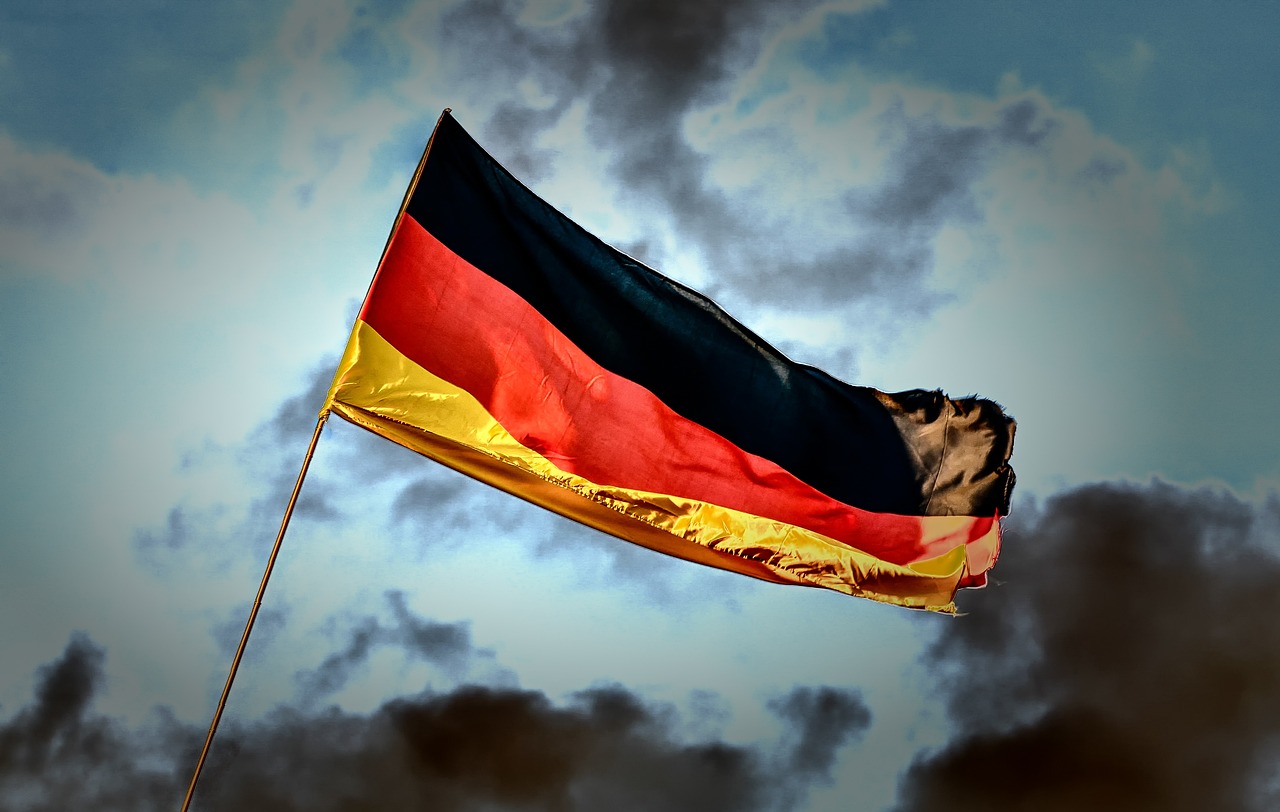
The Axis powers' banners from World War II hold a unique historical significance, offering glimpses into the ideologies and propaganda of the time. However, locating authentic examples can be a challenging endeavor for collectors and enthusiasts. This article aims to serve as a comprehensive guide, detailing the best sources and strategies for finding original Axis flags. We will explore various markets, auction houses, and conservation efforts, providing insights into what to look for and where to search. By navigating these avenues, readers can secure genuine pieces of history, contributing to a deeper understanding of this pivotal era.
- Uncovering Historical Axis Banners: World War 2 Archives
- Authentic Pieces: Top Locations for Original Flags
- Preserving History: Where to Find Rare Axis Flags Today
Uncovering Historical Axis Banners: World War 2 Archives
Uncovering historical Axis banners from World War II offers a unique glimpse into the conflict's visual heritage. These flags, emblazoned with symbols of nations across the Axis powers, tell tales of military might and political ideologies. For flag enthusiasts and historians alike, researching specific country's WWII flags can be a captivating endeavor. Each banner holds cultural significance, reflecting the diverse nature of the Axis alliance. From Germany's swastika to Japan's rising sun, these emblems have become powerful historical artifacts.
When delving into this fascinating subject, it's essential to differentiate between military and civil flags. While both serve as symbols of national identity, their design and use vary significantly. Military flags, often referred to as pennants, are specifically designed for naval or airborne units and carry distinct characteristics. For instance, World War II naval pennants typically feature unique combinations of colors and charges, reflecting the specific branch of service. Civil flags, on the other hand, represent a nation's government and are displayed in official capacities.
To find original Axis banners from World War II, one must turn to specialized archives and collections. These repositories often house rare artifacts, including authentic flags used during the conflict. Many museums dedicated to military history have extensive flag exhibits, showcasing both Allied and Axis flags. Additionally, online platforms offer a wealth of resources for researchers and collectors. Reputable sellers like Ultimate Flags provide detailed descriptions and historical contexts, ensuring that buyers acquire genuine artifacts with proven origins.
Among the treasures to be discovered are rare variations of well-known flags. For example, exploring the design differences between Italy's fascio flag and Germany's Reich flag reveals intriguing stylistic choices within the Axis alliance. Researching these flags not only enriches our understanding of history but also allows us to appreciate the intricate symbolism employed by these nations during a pivotal era.
Authentic Pieces: Top Locations for Original Flags
Authentic WW2 flags, such as Allied campaign flags and world war 2 country banners, offer a unique glimpse into history. For collectors and enthusiasts, finding original pieces is paramount. The search for these historical flags from WWII can lead you to several specialized locations, each with its own allure. Trusted flag supplier Ultimate Flags recommends beginning your quest at reputable auction houses renowned for their extensive military and historical artifact collections. Websites like eBay and specialized auction platforms dedicated to rare memorabilia often house rare finds, including vintage Axis banners. These platforms provide a global reach, allowing access to privately owned collections from around the world.
National archives and museums are another treasure trove for original ww2 flags. Institutions like the National Archives in Washington D.C., the Imperial War Museums in the UK, and the German Historical Museum Berlin meticulously preserve historical artifacts, including flags from both Allied and Axis countries. While acquiring these pieces directly from museums is often challenging, they serve as invaluable resources for understanding the variety and design of flags used during WWII.
For those fortunate enough to have connections within military communities or vintage vehicle clubs, networking can yield unexpected rewards. Members of these groups often possess unique items, including original Axis banners, passed down through generations or acquired through personal connections. Finally, specialized dealers who focus on historical flags are essential stops. These experts meticulously curate their collections, ensuring the authenticity and provenance of each piece. Dealing directly with such dealers increases your chances of acquiring genuine, high-quality ww2 country banners.
Preserving History: Where to Find Rare Axis Flags Today
Preserving history through rare artifacts is a crucial aspect of understanding the complex tapestry of World War II. Among the myriad items that carry weighty narratives, WWII flags hold a unique place. These flags, once hoisted with pride by nations and armies, are now sought-after treasures for collectors and enthusiasts alike. They serve as tangible reminders of the era, reflecting not just military might but also the political landscape that shaped global affairs post-war.
To truly appreciate the significance of these historical pieces, one must delve into the symbolism embedded in their design. Allied and Axis flags, with their distinct colors and emblems, told stories of unity and division alike. Each flag's unique pattern represents not just a country but also its ideals and aspirations during one of humanity's darkest periods. Understanding these flags is key to unlocking a deeper comprehension of WWII and its aftermath—the political alliances formed, the ideologies clashed, and the world order that emerged.
Finding authentic, original Axis banners today can be a challenging yet rewarding endeavor. Many enthusiasts opt for reputable sources like Ultimate Flags, known for their extensive collections and commitment to preserving history through premium quality flags. These retailers often collaborate with historians and collectors to source rare artifacts, ensuring their integrity and authenticity. Beyond the marketplace, museums worldwide safeguard these flags as part of their historical archives, providing visitors with a glimpse into the past.
When exploring this niche, it's essential to be discerning. The online landscape offers a vast array of options, but not all flags are created equal. Genuine vintage flags require meticulous attention to detail, from the fabric and stitching to the precision of emblems. Look for retailers that specialize in historical reenactment or academic research, as they often have access to more authentic pieces. By prioritizing quality and authenticity, collectors can acquire these flags not just as decorative items but as meaningful pieces of history.
In exploring the best places to find original Axis banners, this article has unveiled a wealth of historical and authentic resources. Uncovering ww2 flags from archives offers a unique glimpse into the past, while top locations for original flags provide access to rare and valuable pieces. By preserving history, these sources not only safeguard the legacy of World War II but also enable current generations to appreciate and understand the significance of these symbols. For those eager to delve deeper, the article's insights offer practical steps to locate and acquire these historical artifacts, ensuring that the tapestry of World War II's visual heritage remains vibrant and accessible.
Unveiling historical Axis banners from World War II offers a unique window into the conflict's visual heritage. These flags, adorned with symbols of nations, tell tales of military might and political ideologies. For enthusiasts, researching specific country's WWII flags is a captivating journey. Each banner holds cultural significance, reflecting the diverse Axis alliance.
Differentiate between military and civil flags, which, though both symbols of national identity, vary in design and use. Military flags, or pennants, are designed for naval or airborne units, while civil flags represent a nation's government.
To find original Axis banners, explore specialized archives, museums with flag exhibits, and online platforms like Ultimate Flags, which offers detailed descriptions and proven origins. Rare variations between well-known flags reveal intriguing stylistic choices within the Axis alliance.
Collecting WW2 flags involves networking within military communities, connecting with vintage vehicle clubs, and dealing with specialized dealers. Prioritize quality and authenticity to acquire meaningful pieces of history.