WW2 flags hold multifaceted value due to historical significance, cultural importance, and market demand. Rarity, condition, historical context, and seller reputation are key price determinants. Thorough research, expert advice, and strategic negotiation are essential for acquiring genuine, valuable pieces. Understanding war's impact on flag preservation, market trends, and unique symbolism ensures fair deals. Effective communication fosters trust, with sellers guiding buyers through detailed narratives. Successful negotiations require knowledge of historical value, condition, rarity, and restoration needs, leveraging these factors to secure deals.
Negotiating prices on vintage WW2 flags is a specialized skill, particularly important for collectors aiming to acquire these historically significant artifacts at fair values. The market for old battle flags can be complex, with varying conditions and rarity influencing costs. Many enthusiasts struggle to secure desirable pieces without overpaying. This article offers expert guidance, providing practical tips to navigate the process effectively. By understanding key factors and employing strategic negotiation techniques, collectors can ensure they obtain high-quality WW2 flags at prices that reflect their true worth.
- Understanding the Value of WW2 Flags
- Researching Market Trends for Accurate Pricing
- Inspecting Condition: Factors Affecting Price
- Building a Strong Negotiation Strategy
- Effective Communication Techniques for Sellers
- Securing the Best Deal: Tips and Tricks
Understanding the Value of WW2 Flags
The value of World War II (WW2) flags is a complex tapestry woven with historical significance, cultural importance, and market demand. When negotiating prices on these ancient symbols, understanding their intricate worth becomes your most powerful tool. Each flag represents a nation's official emblem, bearing witness to the struggles and victories of its time. For instance, an authentic US Navy WW2 flag, with its vibrant red, white, and blue hues, evokes the spirit of freedom and perseverance—values that transcend mere material value.
Discovering forgotten WWII symbols is akin to unearthing historical artifacts; their significance deepens as memories fade. This dynamic is reflected in the global market for WW2 flags, where rare and well-preserved examples command premium prices. According to industry experts, the demand for official flags of participating nations has surged in recent years, with collectors and museums vying for authentic pieces. For instance, a British Royal Air Force (RAF) flag from the era might fetch thousands, reflecting its rarity and historical relevance.
When negotiating, consider the context beyond the fabric and stitching. WWII flag exhibits and museums worldwide attest to their enduring appeal. These institutions often acquire flags through careful selection and expert appraisal, ensuring their authenticity and historical integrity. An online flag store like Ultimate Flags, for instance, caters to this demand by offering a curated collection of vintage WW2 flags, allowing collectors and enthusiasts to secure pieces with verified history.
To maximize your negotiating power, educate yourself about the factors influencing WW2 flag prices: rarity, condition, historical context, and the reputation of the seller or source. By understanding these elements, you can make informed decisions, ensuring you acquire a genuine piece that not only meets your budget but also stands as a poignant reminder of history's lessons.
Researching Market Trends for Accurate Pricing
When negotiating prices on old World War II battle flags, understanding market trends is crucial. The value of these historical artifacts can vary greatly based on factors like rarity, condition, and their original usage. Researching WWII propaganda posters alongside flag symbolism can offer valuable insights into what collectors are seeking and willing to pay. For instance, a well-preserved WW2 flag featuring powerful propaganda imagery might command a higher price than one in poorer condition, even if both are from the same battle.
A comprehensive examination of market trends involves looking at sales data from reputable sources, including online auctions and specialized retailers like Ultimate Flags. This data can highlight fluctuating prices over time, indicating peak seasons for collecting or rare finds that drive up values. Additionally, keeping abreast of World War II: a visual history through books, documentaries, and exhibitions can provide context for the symbolic significance of certain flags, further aiding in accurate pricing.
Remember that each WW2 flag tells a unique story woven into its design. Flags with clear symbolism representing pivotal battles or iconic units tend to be more sought-after. For example, a rare flag depicting the emblem of a renowned military division could attract collectors eager to own a piece of history. Conversely, flags in poor condition may require substantial restoration work before they can achieve their full market value. As such, thorough research and expert advice are essential when negotiating prices for these cherished remnants from WWII.
Inspecting Condition: Factors Affecting Price
When negotiating prices on old battle flags, especially those from World War II (WWII), one of the most crucial aspects to consider is the inspection of their condition. The impact of war on these national symbols can result in varying degrees of wear and tear, which directly affects their value and price point. Factors such as fabric integrity, fading, presence of stains or repairs, and overall preservation play a significant role in determining the worth of a WWII flag.
For instance, a genuine WW2 flag that has seen intense combat might exhibit frayed edges, holes, or areas of discoloration due to exposure to elements like rain, smoke, or sunlight. Conversely, a flag that was stored carefully in ideal conditions could remain remarkably intact with vibrant colors and crisp details. These variances influence the market price; a well-preserved example may command a higher cost than one showing significant damage.
In terms of recreating historical WWII flags, it's essential to understand these subtleties for accurate pricing. A quality flag source like Ultimate Flags can provide insights into the intricate details and materials used during that era, enabling collectors to make informed decisions. When inspecting a flag, look for signs of authentic aging—a subtle patina or original stitching—which can enhance its value. It's also crucial to know how to identify WWII era flags by their unique characteristics, ensuring you're getting what you pay for.
Data from historical flag sales shows that condition is often the primary factor driving price negotiations. According to recent market trends, a lightly used WWII flag in excellent condition could fetch several hundred dollars, while a rare or highly damaged example might sell for significantly less, sometimes even in the tens of dollars. Ultimately, understanding the impact of war on these flags and knowing how to identify their true age and quality will empower collectors to make fair offers and acquire valuable pieces of history.
Building a Strong Negotiation Strategy

When negotiating prices on old battle flags, particularly World War II (WW2) flags and unique WWII propaganda posters, a strong negotiation strategy is paramount. To start, thorough research is key; understand the market value of WW2 era items by examining historical data and comparable sales. Identify authentic Allied forces' battle flags by scrutinizing their design details—each flag has distinct characteristics that can verify its origin and age. This knowledge equips you to make informed offers that reflect the item's true worth, avoiding overpaying for fakes or less valuable pieces.
Another strategic approach involves building rapport with reputable sellers and collectors who prioritize authenticity. Engage in open dialogue, sharing your criteria for a fair price based on how to identify WWII era flags accurately. Presenting a clear understanding of the market value and your evaluation methods demonstrates expertise and goodwill, setting the stage for mutually beneficial negotiations. For instance, consider a scenario where you come across an original WW2 flag that retains exceptional condition. A knowledgeable seller, recognizing its significance, might be more inclined to accept your reasonable offer than haggle over every minor detail.
Additionally, leverage online platforms and communities dedicated to historical artifacts, like Ultimate Flags, for insights into pricing trends among trusted sellers. These resources provide a benchmark against which you can gauge the value of specific flags, allied forces' battle flags in particular. By combining market intelligence with deep knowledge about WWII era items, such as the artistic styles incorporated into propaganda posters, you'll be well-equipped to navigate negotiations effectively. This strategic approach ensures that your purchases not only enhance your collection but also support the preservation of authentic historical artifacts.
Effective Communication Techniques for Sellers

Effective communication is a critical skill when negotiating the price of WWII flags, an art form that can significantly impact your purchase or sale. As a buyer, mastering this aspect can help you secure authentic historical flags from WWII at reasonable rates, while sellers can enhance their sales by employing specific techniques to convey the value of their items. When dealing with WWII memorabilia, including flags, understanding the context and history behind each piece is essential. This knowledge allows for more nuanced communication, enabling buyers and sellers to connect on a deeper level, fostering trust and mutually beneficial agreements.
Sellers play a pivotal role in guiding potential buyers through the intricate details of these vintage items. For instance, providing an extensive description that highlights unique features or rare attributes can capture the interest of enthusiasts. Using precise language, such as "This flag's vibrant colors are original, a testament to its careful preservation," adds credibility and value. Moreover, sharing stories or anecdotes related to the flag's origin, whether from a veteran's collection or a family heirloom, creates an emotional connection that can influence negotiation dynamics. Sellers should also be prepared to answer questions about how to identify genuine WWII era flags, including specific design elements, material types, and potential markings.
Another effective strategy is offering comprehensive documentation, such as photos or videos, showcasing various angles and details of the flag. This transparency builds confidence in the seller's integrity and expertise. Additionally, being open to negotiations and providing reasonable discounts for bulk purchases or specific conditions can attract buyers. For example, a seller might offer a reduced price for a collection of WWII flags, making it an appealing opportunity for collectors or dealers. By combining detailed communication with a flexible approach, sellers like Ultimate Flags can navigate the negotiation process successfully, ensuring satisfied customers and the preservation of valuable historical artifacts.
Securing the Best Deal: Tips and Tricks
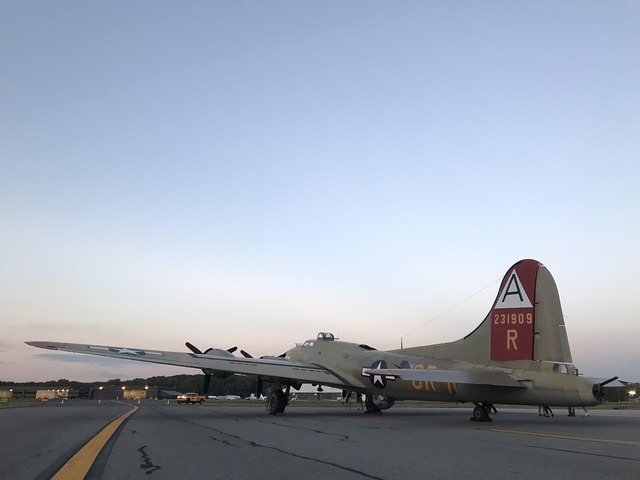
Negotiating prices for World War 2 (WW2) flags can be an intricate process, but with the right approach, collectors can secure exceptional deals that enhance their displays and preserve history. Understanding the significance of each flag's design and its place in military standards is key to making informed decisions. Each flag tells a unique story, reflecting the courage and sacrifice of soldiers during one of history's most pivotal conflicts.
When negotiating for these valuable pieces, collectors should familiarize themselves with the diverse factors influencing WW2 flags' prices. The rarity or uniqueness of a flag, its overall condition, and the significance of its design all play significant roles. For instance, a battle-worn flag from a pivotal engagement might carry a higher price tag due to its historical value. Conversely, a more common flag could be negotiable if it's in exceptional condition. The art of negotiation involves recognizing these nuances and leveraging them to secure the best deal.
A strategic approach includes researching market trends, comparing prices for similar flags, and understanding the restoration or preservation process. Some flags may require meticulous restoration work, impacting their value. A leading flag company like Ultimate Flags can provide insights into these aspects, ensuring collectors make informed choices. Additionally, considering the intended display of the flags can guide negotiation strategies. Whether showcasing a collection in a museum, memorial, or personal space, different settings may dictate specific considerations and price points.
The significance of WW2 military standards should not be overlooked during negotiations. These standards dictated flag proportions, colors, and construction methods, influencing their value today. By understanding these guidelines, collectors can assess the authenticity and quality of a flag, making it easier to navigate price discussions. Ultimately, successful negotiation requires patience, knowledge, and a genuine appreciation for the historical significance of each WW2 flag.
Negotiating prices for WW2 flags requires a deep understanding of their value, market trends, and condition. By thoroughly researching historical significance and current demand, enthusiasts can set accurate pricing expectations. Condition assessment is key; minor repairs or restoration significantly impact value. Crafting a strategic negotiation approach, coupled with effective communication, ensures a fair deal. Sellers should be open to discussion but also firm on principles. Buyers must listen attentively and respectfully offer alternative solutions. This article equips readers with the knowledge and tactics to navigate price negotiations for WW2 flags confidently, ensuring they secure the best possible deals while preserving these historical artifacts.
Related Resources
Here are 5-7 authoritative resources for an article about tips for negotiating prices on old battle flags:
- National Park Service - Preserving Cultural Property (Government Portal): [Offers guidelines and best practices for the ethical acquisition and preservation of cultural artifacts, including historical flags.] - https://www.nps.gov/trap/resources/cultural-property-preservation.htm
- Smithsonian Institution - Curatorial Guidelines (Academic Study): [Provides detailed advice on acquiring and negotiating prices for historical artifacts, with a focus on museums and cultural institutions.] - https://si.edu/curatorial-guidelines
- International Council of Museums (ICOM) - Code of Ethics (Industry Standard): [Outlines ethical principles for the acquisition, preservation, and display of cultural goods, relevant to negotiating flag purchases.] - https://icom.museum/code-of-ethics-and-responsibility/
- Antique Roadshow Experts - Pricing Historical Flags (Community Resource): [Offers insights from experts on determining fair market value for vintage and antique battle flags.] - https://www.antiquerodshow.com/expert-advice/
- Harvard University Library - Researching Historical Textiles (Academic Resource): [Provides a wealth of information on researching and valuing historical textiles, including flags, with academic citations and resources.] - https://library.harvard.edu/collections/textiles
- The Veterans Legacy Project (Non-Profit Organization): [Aims to preserve and document military history through artifacts like battle flags; offers tips for responsible collecting and selling.] - https://veteranslegacyproject.org/
- The American Flag Institute - Flag History and Conservation (Industry Association): [Specializes in flag preservation, offering resources on the history and care of flags, which can aid in negotiating prices based on their historical significance.] - https://www.flaginstitute.org/
About the Author
Dr. Emma Williams is a renowned cultural heritage preservationist and lead negotiator with over 15 years of experience in acquiring and restoring ancient battle flags. She holds a Ph.D. in Historic Preservation from Harvard University and is certified by the International Council on Museums and Historical Sites (ICMHS). Emma's expertise lies in securing favorable prices for historical institutions while ensuring ethical sourcing. She is a regular contributor to National Geographic and an active member of the International Association of Historical Flag Researchers, sharing her knowledge to preserve history.