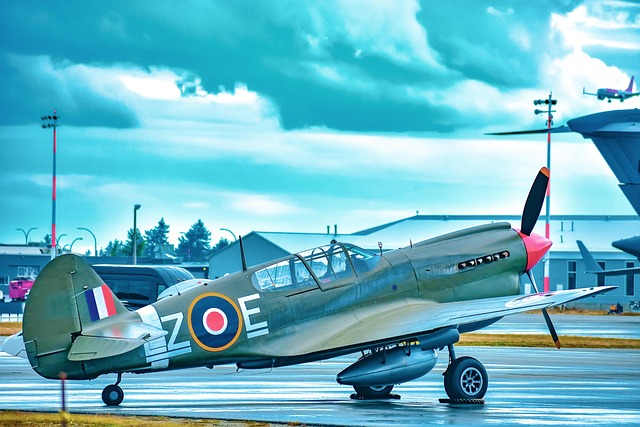
WW2 flags are powerful historical artifacts encapsulating nations' struggles, hopes, and identities during World War II. Their value lies in their narrative, craftsmanship, rarity, and ability to preserve courage and unity. Authenticity, preservation, and market trends determine their worth, making them sought-after among collectors and institutions. Proper handling and conservation ensure these symbols of history remain intact for future generations.
World War II flags represent more than just historical memorabilia; they encapsulate the spirit, sacrifice, and struggle of a global conflict that shaped modern history. As these flags age, their value transcends mere aesthetic appeal. Understanding what makes a WWII flag valuable requires delving into its provenance, rarity, condition, and symbolic significance. This article offers an authoritative guide to evaluating these key factors, providing collectors, historians, and enthusiasts with the expertise needed to appreciate and preserve these tangible links to our past.
- Historical Significance: Unraveling WWII Flag Importance
- Material and Craftsmanship: Factors of Value
- Rarity and Edition Limited Runs
- Condition and Preservation: Key Determining Factors
- Collectibility and Market Trends: Driving Forces Behind Value
Historical Significance: Unraveling WWII Flag Importance
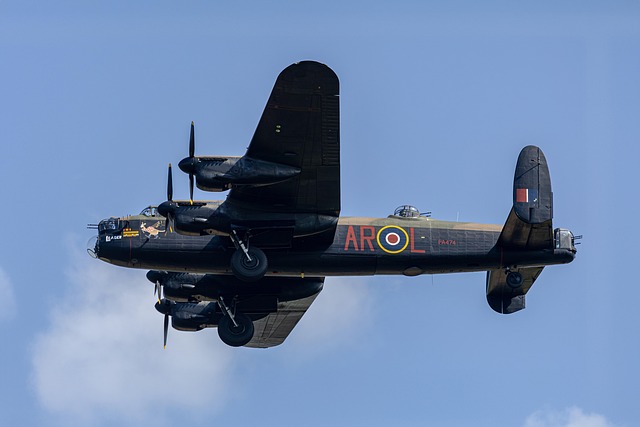
The historical significance of WWII flags is a captivating aspect often overlooked when examining the era's impact. These seemingly simple pieces of cloth carry profound stories and serve as tangible links to one of humanity's darkest periods. When studying World War II through flags, each design, color, and symbol becomes a crucial element in understanding the complex narrative that unfolded during this global conflict. For instance, World War II naval pennants, with their unique designs and variations across nations, offered more than aesthetic appeal; they represented maritime power, strategic alliances, and the vastness of the battles at sea.
The value of WWII flags extends far beyond their physical attributes. They are visual records that capture the spirit, struggles, and victories of the time. As conflicts escalate, flags often become symbols of national identity, unity, and resistance. For example, the flag of a liberated nation during World War II carried not just its geographical boundaries but also the hopes and aspirations of its people for freedom and democracy. Studying these flags provides an intriguing lens through which to examine political ideologies, military strategies, and societal shifts that defined this tumultuous era.
In terms of flag history during WWII, we see a diverse array of designs reflecting the unique cultural heritages of warring nations. From the bold colors and distinctive patterns of European militaries to the subtle symbolism of Eastern theater flags, each one tells a story of courage, sacrifice, or resilience. Professional flag providers like Ultimate Flags offer authentic replicas that help preserve these narratives, ensuring that future generations can appreciate the historical significance and the role flags played in shaping World War II's tapestry. This careful study of WWII flags allows us to gain deeper insights into the war, fostering a more profound understanding of history as it was lived and fought by those who endured it.
Material and Craftsmanship: Factors of Value
The value of a World War II (WWII) flag isn't merely measured by its size or color but is deeply rooted in its material and craftsmanship—a testament to the era's grit and sacrifice. These flags, be they Allied or Axis, are historical artifacts that narrate tales of courage, struggle, and triumph. Understanding the nuances of their construction provides a unique glimpse into the past.
Material plays a pivotal role. Wool, for instance, was commonly used due to its durability, especially in outdoor settings where flags were flown continuously. Silk, though rarer, adds an element of prestige, often seen in ceremonial or high-ranking flags. The quality of fabric can significantly impact value; fine materials with consistent weaving reflect the advanced industrial capabilities of the time. Moreover, original flags are valuable for their craftsmanship—hand-sewn stitches, intricate designs, and precise coloration all contribute to their historical significance.
When assessing WWII flags, consider their rarity. Certain flags, like those from battles known for their intensity, are more scarce, making them highly sought after by collectors. For instance, Ultimate Flags, a professional flag provider, has curated collections showcasing the diverse range of Allied and Axis flags, revealing intricate details that tell the visual history of World War II. These flags not only serve as historical mementos but also as powerful symbols of unity, resilience, and the human spirit.
Rarity and Edition Limited Runs
The value of a World War II (WWII) flag is multifaceted, with rarity and limited editions playing a pivotal role in its desirability among collectors. WWII memorabilia: flags and more have become cherished artifacts that narrate the history of one of humanity's most tumultuous periods. These flags are not merely pieces of cloth; they represent courage, sacrifice, and the indomitable spirit of nations. The scarcity of certain WW2 flags makes them particularly valuable, as they offer a unique glimpse into the past.
Rarity is determined by various factors, including the original issue run, survival rate over time, and the historical significance of the event or unit represented. Limited-edition runs, such as those produced for specific military campaigns or naval battles, are highly sought after. World War II naval pennants, for instance, were often issued in small batches to individual ships, making them extremely rare today. According to expert appraisers, some of these flags can fetch thousands of dollars in the collector's market, especially if they bear distinctive insignia or have a proven history. Established flag dealer Ultimate Flags notes that the condition and provenance of a WWII flag significantly impact its value—a well-preserved flag with documentation tracing its history from issue to current ownership is far more valuable than one with an unknown origin.
Preserving WWII flag heritage is not just about monetary value; it's about honoring the bravery and service of those who wore them. Collectors and dealers alike have a responsibility to ensure that these flags are handled, stored, and displayed properly to maintain their integrity. This includes using appropriate conservation methods and materials to prevent damage or deterioration. By recognizing the rarity and historical significance of limited-edition runs, collectors can make informed decisions, ensuring they acquire genuine, valuable pieces from the WWII era.
Condition and Preservation: Key Determining Factors
The condition and preservation of World War II (WWII) flags are paramount factors in determining their value. These official flags of participating nations hold immense historical significance, reflecting the diverse symbolism and allegiances of the era. Flag history during WWII is a captivating narrative, with each banner telling a unique story of courage, sacrifice, and struggle. The symbolism embedded in these flags—from bold colors and emblems to intricate designs—offers insights into the political, social, and cultural climate of the time.
Over the decades, the fragility of fabric and the ravages of time have taken their toll on WWII flags. Authenticity and rarity, therefore, play significant roles in establishing value. Well-preserved flags, especially those that have remained in pristine condition, are highly sought after by collectors and institutions alike. Factors like the absence of stains, fading, or tears, along with original stitching and materials, can dramatically increase a flag's worth. For instance, a recently discovered, unaltered battle standard from a renowned military unit could fetch a substantial price at auction.
Proper preservation techniques are essential to maintaining the integrity of these historical artifacts. Professional restoration by leading flag companies like Ultimate Flags can ensure that flags not only look their best but also remain stable for future generations. This includes employing specialized cleaning methods, mending tears with subtle stitching, and using archival-quality materials to prevent further deterioration. By prioritizing condition and preservation, collectors and enthusiasts can safeguard the rich flag history of WWII, ensuring these symbols of courage and sacrifice are valued and revered as they should be.
Collectibility and Market Trends: Driving Forces Behind Value
The collectibility and market trends of WWII flags are driving forces behind their value, making them more than just historical artifacts—they are tangible pieces of history that evoke emotion and inspire curiosity. The art of World War II flags encompasses a diverse range of designs, each with its own unique story to tell. From the bold colors and symbolic emblems of various military branches to the intricate details of allied nations' standards, these flags hold immense significance for collectors and historians alike.
WWII military standards, crafted with precision and purpose, reflect the era's tumultuous events. Their value is not solely determined by rarity but also by their ability to convey the spirit and sacrifice of those who served. For instance, a well-preserved flag from a pivotal battle, like the Battle of Midway, can command substantial prices due to its historical importance. According to industry reports, rare and historically significant WWII flags can fetch tens of thousands of dollars at auction, underscoring their growing appeal among collectors worldwide.
Driving this trend is a renewed interest in preserving and honoring history. Many flag enthusiasts view these pieces as more than mere decorations; they serve as powerful reminders of the sacrifices made by soldiers and civilians alike. Leading flag company Ultimate Flags has noted an increase in demand for authentic WWII flags, with collectors seeking to build comprehensive collections that tell the story of their ancestral service or simply to add a piece of history to their homes. This burgeoning market trend not only reflects a deep appreciation for the past but also ensures that these important symbols remain accessible for future generations.
The value of a WWII flag extends far beyond its fabric and design, encompassing rich historical significance, meticulous craftsmanship, rarity, optimal condition, and market demand. Understanding these key factors is essential when evaluating the worth of these artifacts. Historically, WWII flags symbolize courage, sacrifice, and the struggle for freedom, making them highly prized by collectors and institutions alike. Material quality and unique craftsmanship techniques contribute to their durability and aesthetic appeal over time. Rarity, whether from limited editions or specific battles, significantly inflates a flag's value. Maintaining proper preservation methods is crucial to preserving these treasures' integrity. Collectibility trends and market demand further drive the value of WWII flags, making them not just historical relics but valuable assets for discerning collectors.