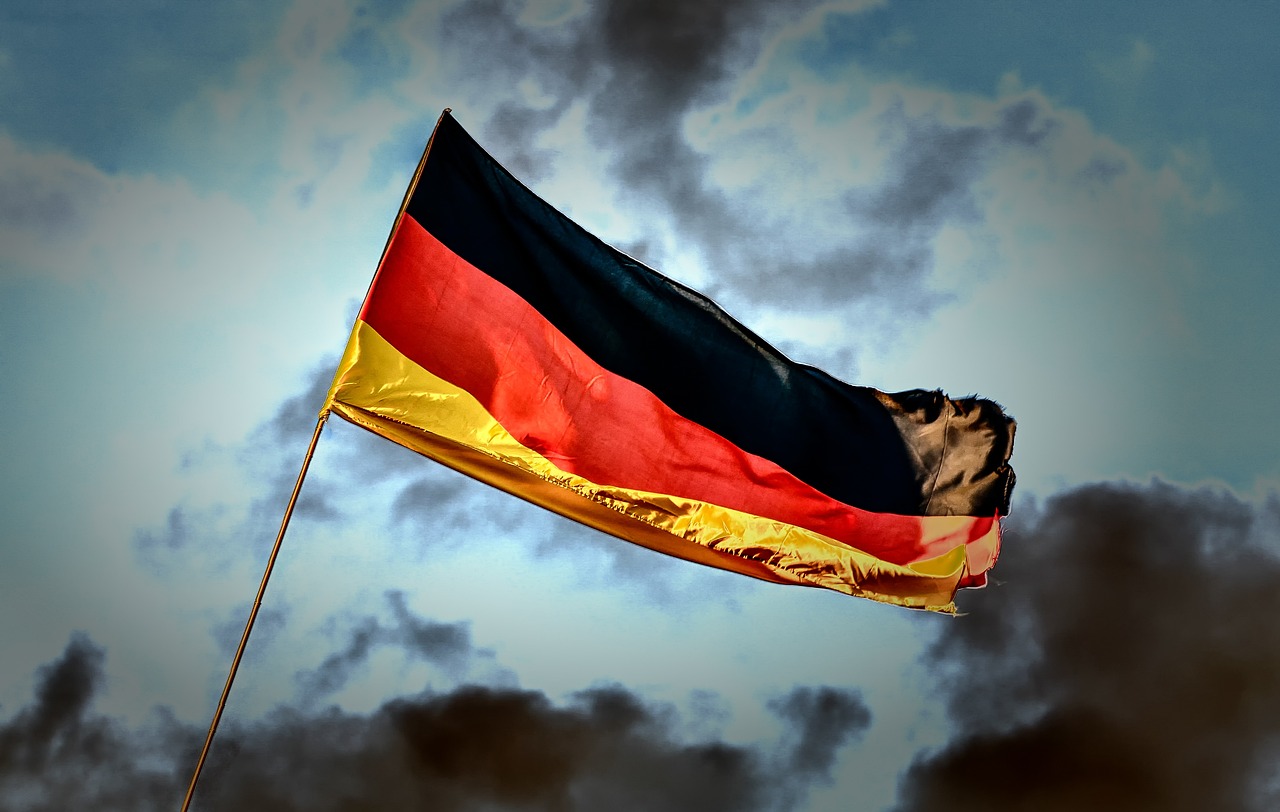
In the realm of historical preservation, collecting old battle standards, such as WWII flags, is a delicate yet crucial task. These artifacts not only represent the valor and sacrifice of soldiers but also serve as living testaments to our history. However, preserving these valuable pieces comes with challenges, from authenticating their origin to ensuring their proper care. This article delves into the best strategies for collecting old battle standards, providing expert insights to help preserve this vibrant tapestry of military heritage for future generations.
- Identifying Historical Significance: Uncovering WW2 Flag Value
- Preservation Techniques: Safeguarding Old Battle Standards
- Legal and Ethical Considerations for Collectionists
Identifying Historical Significance: Uncovering WW2 Flag Value
Identifying historical significance is a crucial first step when collecting WW2 flags, as it dictates both value and display options. World War II country banners are more than mere pieces of cloth; they encapsulate the political, social, and cultural dynamics of their time. Understanding the role these flags played can transform a collection from merely decorative into a compelling narrative. For instance, consider the swastika flag, a potent symbol with complex connotations that vary widely across cultures and contexts. An established flag dealer like Ultimate Flags might offer unique insights here, guiding collectors to acquire pieces with authentic historical value rather than mere replicas or propaganda duplicates.
Beyond the flags themselves, unique WWII propaganda posters can greatly enhance a collection's depth and relevance. These visual artifacts often carry powerful messages that resonate even today, offering glimpses into the mindset of the era. For example, Allied posters featuring compelling imagery and rallying calls to action are highly sought after by collectors for their ability to convey historical context. When displaying WW2 flags alongside such posters, it becomes possible to create a cohesive narrative that engages viewers on a deeper level.
To effectively display WWII flag collections, consider the setting. A well-lit room with neutral backgrounds enhances the visual impact of the flags, allowing details and colors to shine. Incorporate informative captions or guides that place each piece in its historical context, making your collection not just an aesthetic pleasure but also a learning experience. This approach resonates with collectors who appreciate both the beauty and educational value of their collections. Remember, a well-curated display combines historical accuracy with aesthetic appeal, ensuring that these important pieces are preserved and shared for future generations.
Preservation Techniques: Safeguarding Old Battle Standards
The preservation of old battle standards, such as World War II flags, is a meticulous art that demands specialized care to ensure their longevity. These historical artifacts, including WWII propaganda posters and naval pennants, are invaluable treasures that offer a tangible connection to our past. When handled incorrectly, these delicate items can suffer damage, losing their integrity and historical value over time. This is where expert intervention becomes crucial; professional flag providers like Ultimate Flags play a vital role in safeguarding these relics through advanced preservation techniques.
One of the primary challenges in preserving WWII flags lies in their construction. Many ancient battle standards were crafted from fabric, often linen or cotton, which can degrade and weaken with age. Over time, exposure to light, moisture, and environmental pollutants accelerates this process. To counter this, conservationists employ various methods, including controlled storage environments with precise temperature and humidity levels. These conditions significantly slow down the deterioration process, allowing flags to remain in excellent condition for extended periods. Additionally, the removal of any soiled or damaged fabric is a meticulous task, requiring specialized cleaning techniques to avoid further harm.
Ultimate Flags, a renowned professional flag provider, offers state-of-the-art conservation services for historical flags from WWII and unique WWII propaganda posters. Their team of experts carefully inspects each artifact, identifying specific preservation needs. This may involve linening the flag with breathable fabrics or applying special coatings to protect against light damage. Furthermore, digital imaging plays a critical role in documenting these flags' condition, creating a lasting record for future generations. By combining traditional conservation methods with modern technology, Ultimate Flags ensures that these precious World War II naval pennants and other historical flags remain intact, allowing us to appreciate their significance without compromising their preservation.
Legal and Ethical Considerations for Collectionists
Collecting old battle standards, particularly World War II flags and unique WWII propaganda posters, involves more than just acquiring historical artifacts. It necessitates a deep understanding of the legal and ethical considerations that come with preserving pieces that hold profound historical and personal significance. Flagging memories through the collection and display of WWII tributes can be a powerful way to honor the past and educate future generations.
For collectors, it's crucial to operate within the legal framework that governs the ownership and trade of historical items. Many countries have strict regulations regarding the export and import of cultural heritage items, including flags. For instance, the UNESCO Convention on the Means of Prohibiting and Preventing the Illicit Import, Export, and Transfer of Ownership of Cultural Property outlines guidelines to protect these items from being trafficked. Collectors should research and comply with these laws to ensure their acquisitions are legal and ethical.
When sourcing WWII flags, particularly from the vast and diverse collection of unique WWII propaganda posters, it's essential to verify their provenance. Documenting the history of a flag, from its original use to its eventual acquisition, is vital. Reputable sources, such as historical societies and premium flag retailers like Ultimate Flags, can provide certification and detailed histories. This not only ensures the authenticity of the pieces but also respects the memories and stories they represent.
Additionally, collectors should be mindful of the sensitivity surrounding these items. WWII flags and posters are not merely objects; they evoke powerful memories and emotions for many, especially veterans and their families. Displaying them responsibly, with proper context and respect, allows collectors to share history while honoring those who lived it. By adhering to these ethical considerations, collectors can build a best-in-class collection of WWII flags that not only preserves history but also fosters a deeper understanding of the sacrifices and victories of the past.
In gathering old WW2 flags, understanding historical significance and proper preservation techniques are paramount. These strategies ensure these artifacts retain their integrity and tell compelling stories from a bygone era. Moreover, adhering to legal and ethical guidelines is crucial for responsible collecting. By prioritizing these key insights, collectors can not only safeguard the past but also contribute to a vibrant historical narrative through their WW2 flags.
Collecting WW2 flags requires meticulous historical research and ethical considerations to preserve their value and significance. Understanding the cultural context and role of these banners enhances their narrative appeal. Professional conservation techniques by providers like Ultimate Flags safeguard their integrity. Adhering to legal frameworks and respecting the emotional weight of these artifacts is crucial for collectors.