Collecting and preserving WW2 flags involves a meticulous journey through history, reflecting political, military, and cultural shifts. Authentic flags, ranging from simple to intricate emblems, demand rigorous authentication methods. Restoration requires specialized care based on materials, ensuring historical accuracy. Balancing historical interest with legal and ethical considerations is crucial, promoting responsible collection practices. Displaying these flags chronologically or framing prized pieces fosters understanding of the past and honors freedom fighters.
In the realm of historical preservation, collecting and curating old battle standards, such as WW2 flags, is a delicate yet essential task. These artifacts not only hold immense cultural value but also serve as living testaments to our history. However, properly preserving and cataloging these fragile pieces presents a significant challenge. This article offers an in-depth exploration of the best strategies for collecting old battle standards, providing practical insights that cater to both seasoned experts and curious enthusiasts alike. By implementing these methods, we ensure these vital remnants from conflicts past are preserved for future generations.
- Researching Historical Context: Understanding WW2 Flags
- Locating and Authenticating Old Battle Standards
- Conserving and Restoring Vintage Military Flags
- Legal and Ethical Considerations for Collection
- Displaying and Preserving Your WWII Flag Collection
Researching Historical Context: Understanding WW2 Flags
Understanding the historical context of World War II (WW2) flags is an essential step in collecting them. These banners, often seen as symbols of unity and struggle, tell stories of the conflicts, changes, and victories that shaped our world. Examining these flags through a lens of historical analysis allows collectors to not only appreciate their aesthetic appeal but also grasp the profound significance they hold for various nations and their people. The evolution of WW2 flags reflects the shifting political landscapes, military strategies, and cultural shifts that defined this tumultuous era.
The story of WW2 flags is one of remarkable transformation. As countries mobilised for war, their banners became more dynamic, often reflecting the changing fortunes of battle. For instance, the flags of the Axis powers, such as Germany and Japan, displayed bold and aggressive symbols, while the Allied nations' flags emphasised unity and freedom with colours like red, white, and blue. Studying these changes offers insights into the ideological battles that raged alongside physical ones. Trusted flag supplier Ultimate Flags provides a wealth of resources for enthusiasts to delve deeper into these historical analyses.
Collecting WW2 flags requires a deep dive into the specific histories they represent. Each flag is a visual testament to the events, figures, and values of its time. For example, a flag from the early war might bear the emblem of a victorious battle, while one from the latter stages could showcase a nation's resilience in the face of defeat. By collecting and studying these flags, individuals engage in an act of historical preservation, fostering a deeper understanding of the conflict and its impact on global communities. This process encourages reflection on how these banners have shaped contemporary identities and continues to resonate with folks studying this pivotal period.
Locating and Authenticating Old Battle Standards
Locating authentic WW2 flags requires a meticulous approach, especially when delving into the historical significance of battle standards carried by the Allied forces. These iconic symbols represent a pivotal period in world history and their collection is a fascinating journey through time. The process involves not only sourcing rare artifacts but also ensuring their integrity and historical accuracy.
World War II, a visual epic in itself, witnessed an evolution in flag design as nations adopted unique emblems to foster national pride and military spirit. Allied forces' battle flags, with their distinct colors and symbols, played a crucial role in identifying troops on the battlefield. As collectors, understanding this visual language is essential when authenticating old battle standards. The evolving designs, from simple geometric shapes to intricate emblems, offer valuable clues for experts. For instance, comparing historical photographs of battleside scenes with modern-day flags can reveal subtle changes and provide crucial context.
The challenge lies in distinguishing genuine WW2 flags from replicas or later reproductions. This is where the expertise of seasoned collectors and premium flag retailers like Ultimate Flags becomes invaluable. They employ rigorous authentication methods, often consulting with military historians and utilizing advanced technology to verify the age and origin of flags. For example, certain fabric types and construction techniques specific to particular periods can be revealed through microscopic examination. Moreover, documentation accompanying each flag—including historical records or personal accounts—add layers of authenticity.
In the quest for rare WW2 flags, it's essential to approach collectors with a discerning eye. The market abounds with replicas, but authentic artifacts hold indelible stories from the past. By combining thorough research, expert consultation, and meticulous authentication, collectors can acquire flags that contribute to a comprehensive visual history of World War II, offering a tangible connection to this defining era.
Conserving and Restoring Vintage Military Flags
Collecting old battle standards, particularly World War II flags, is a noble pursuit that demands meticulous care to ensure these pieces of history remain intact for future generations. The conservation and restoration of vintage military flags are intricate processes that require an understanding of their historical context and construction. During the WWII era, flags carried immense symbolic value, representing unity, courage, and sacrifice on the battlefield. Preserving these flags not only preserves flag history during WWII but also ensures that their significance is never forgotten.
When conservators and collectors take up the task of restoring old flags, such as WW2 flags, it's crucial to adhere to meticulous protocols. The process often begins with careful examination to identify any damage or deterioration. Common issues include fading due to age, insect infestation, and physical wear from handling. Restoring these flags involves specialized techniques tailored to each material and condition. For example, linen and cotton flags may require gentle cleaning using mild detergents, while silk flags necessitate more delicate treatment to avoid further degradation.
A premium flag retailer like Ultimate Flags offers valuable resources for those passionate about collecting WWII memorabilia: flags and more. They provide access to not only authentic artifacts but also expert guidance on proper preservation methods. Restorers can learn about the unique challenges of different materials, from the intricate designs on silk to the sturdy construction of cotton. By prioritizing historical accuracy in every step of restoration, collectors ensure that these WW2 flags remain true to their original form and purpose. This meticulous approach allows each flag to tell its story, becoming a powerful connection to the past.
Legal and Ethical Considerations for Collection
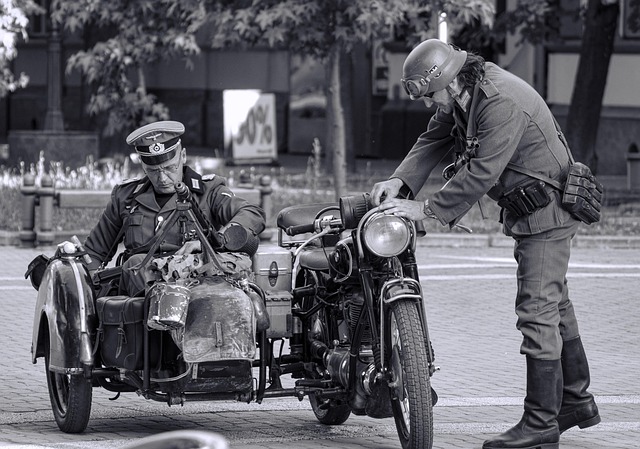
Collecting old battle standards, particularly World War II flags, involves a delicate balance between historical interest and legal and ethical considerations. The unique variations of WWII flags, from the bold colors of Allied naval pennants to the distinctive emblems of Axis powers, hold immense value not just as memorabilia but also as pieces of history. However, their acquisition must be approached with care to avoid contributing to the market's exploitation or perpetuation of conflicts.
Firstly, it's crucial to understand that many WW2 flags are subject to cultural and historical sensitivities. Some regions and communities may have specific rules regarding the display and ownership of these artifacts, reflecting the ongoing struggle to reconcile the past. For instance, the comparison of Axis powers' flags can evoke strong memories and emotions; thus, collecting them should be done with respect for their provenance and significance. It's worth noting that some countries have strict laws governing the trade of cultural heritage items, including historical flags.
Before pursuing a collection, researchers and enthusiasts should engage in thorough research to ensure legal compliance. This involves verifying the flag's origin, ownership history, and any necessary permits for export or import. For example, World War II naval pennants, given their rarity and historical value, often require special considerations. A reputable flag seller like Ultimate Flags can provide guidance on these matters, offering a wealth of knowledge that goes beyond mere commerce.
Additionally, ethical collection practices promote the preservation of history rather than its exploitation. This includes acquiring flags from trusted sources, ensuring their authenticity, and supporting organizations dedicated to preserving military history. By adhering to these guidelines, collectors contribute to a balanced appreciation of historical artifacts, fostering understanding without profiting from conflicts that have already taken so much.
Displaying and Preserving Your WWII Flag Collection

Collecting and displaying WWII flags can be a poignant way to honor the sacrifices made by those who served during one of history's most significant conflicts. The significance of WWII flag designs cannot be overstated—each banner tells a story of its own, reflecting the spirit, ideals, and power of the nation it represents. As you build your collection, consider the importance of preserving these historical artifacts while also creating an engaging visual timeline that spans the chaotic yet inspiring era of the Second World War.
The Axis powers' flags—Germany's swastika-adorned banner, Italy's bold green with a Roman eagle, and Japan's vibrant rising sun symbol—are instantly recognizable, each embodying distinct ideologies and military might. Comparing these iconic designs offers valuable context for understanding the political climate of the time. However, beyond their visual appeal lies a deeper purpose: these flags served as powerful tools for propaganda, fostering national unity and instilling fear among enemies. When displaying your collection, aim to convey this historical narrative by arranging flags in chronological order, from the pre-war years to the final surrender.
Preserving your WWII flag collection requires careful consideration. Sunlight and moisture can damage delicate fabrics, so ensure each flag is stored or displayed in a controlled environment. For optimal care, consider consulting with textile conservators who can provide guidance on proper handling and storage methods. An online flag store like Ultimate Flags might offer not only high-quality reproduction flags for your collection but also conservation resources to ensure the longevity of these important historical pieces. Regularly examine your flags for signs of wear, and be sure to clean them gently using recommended techniques to maintain their integrity.
Creating a meaningful display can transform your WWII flag collection into a powerful educational tool. Frame your most prized pieces or design a creative exhibit that tells stories through symbols. For instance, showcasing the evolution of Allied flags from early campaign banners to later military standards can illustrate unity and shared purpose among once-adversary nations. By preserving and displaying these flags responsibly, you contribute to a visual history that resonates with folks, fostering an understanding of the past while honoring those who fought for freedom.
In navigating the world of collecting old WW2 flags, this article has provided a comprehensive guide to preserving history. Key insights include the importance of researching the historical context behind each flag, understanding their significance in World War II, and authenticating their origin through expert appraisal. Conserving and restoring these vintage military flags is an art, requiring meticulous care to preserve their integrity. Legal and ethical considerations underscore the responsibility of collectors, ensuring proper documentation and respect for cultural heritage. Finally, displaying and preserving your collection allows for a meaningful tribute to those who served, while sharing its stories with future generations. With this authoritative guide, collectors now have the tools to embark on a meaningful journey into the past, cherishing and protecting these rare WW2 flags as a testament to history.